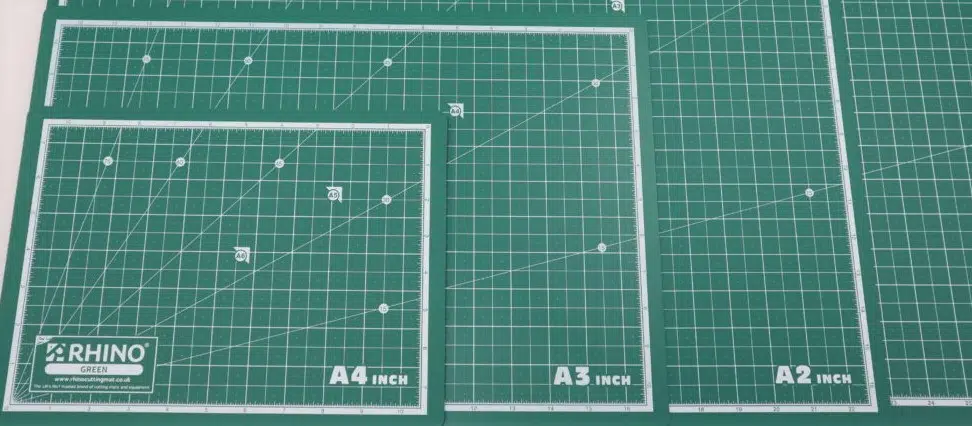
Cutting mats are the foundation of precision work in countless industries, from large-scale manufacturing and engineering to craft studios and educational workshops. They provide a reliable, stable base that not only preserves the integrity of your workbench but also protects the materials you handle every day. By absorbing cuts and preventing blades from dulling too quickly, a quality cutting mat enhances efficiency, accuracy and overall workflow safety.
However, even the most durable self-healing cutting mats need consistent care to perform at their best. Without proper maintenance, surfaces can harden, warp or lose their self-healing capability, leading to uneven cuts and tool damage. This expert guide from Rhino Workplace Innovation walks you through essential cutting mat care practices, from regular cleaning and safe storage to long-term preservation, so you can extend the lifespan of your mats, reduce costs and maintain a smarter, safer, cleaner workstation.
Why Cutting Mat Care Matters
A well-maintained cutting mat is vital for precision, safety and sustainability. Good cutting mat care prevents surface damage, improves blade accuracy and ensures consistent cutting results. Over time, dust, adhesive residue and deep cuts can make the surface uneven, reducing accuracy and wearing down tools faster.
- Helps maintain a smooth and even cutting surface for clean, accurate lines.
- Extends the lifespan of both the mat and your cutting tools.
- Reduces the risk of injury by preventing blade slips and snags.
- Supports sustainability by reducing the need for frequent replacements.
Protecting Your Precision Cutting Surface
Your cutting mat is designed to absorb cuts while keeping the surface below intact. When debris, fibres or fragments of tape build up, they create tiny ridges that interfere with clean lines. Regular maintenance restores a smooth precision cutting surface and helps maintain the self-healing properties that make Rhino mats stand out.
- Wipe your mat regularly with mild soap and warm water to remove residue.
- Avoid cutting over dried adhesive or tape, which can cause surface distortion.
- Use a soft brush or lint-free cloth to clear away fibres after every session.
- Rotate your mat periodically to distribute wear evenly.
How Self-Healing Technology Works
Most self-healing cutting mats are made from layers of resilient PVC or polyurethane. When a blade passes through the surface, the material flexes and closes up again, maintaining a clean finish. However, this process depends on keeping the mat free from debris and excessive heat. Prolonged exposure to sunlight or hot tools can weaken the self-healing layer, so regular cleaning and careful handling are essential.
- The layered structure allows small cuts to close naturally after use.
- Proper cleaning ensures particles don’t prevent the layers from resealing.
- Keeping mats out of direct sunlight prevents the material from drying out.
- Avoid placing hot tools or cups on the mat, as heat can damage the surface.
Common Mistakes That Shorten Mat Life
Improper storage, using blunt blades or cutting in the same area repeatedly can cause permanent grooves. Cleaning with solvents or aggressive chemicals also breaks down the surface. Avoid these mistakes to ensure your mat stays safe, flat and functional for years.
- Never use sharp solvents, alcohol or harsh cleaners on your mat.
- Replace dull blades promptly to prevent excessive surface pressure.
- Vary your cutting position to avoid deep grooves in one area.
- Always store your mat flat in a cool, dry place to prevent warping.
Mat Storage Tips to Prevent Damage
Correct storage is one of the simplest ways to prolong the life of your mat. When not in use, follow these mat storage tips to prevent bending and heat damage. Proper storage helps maintain the structural integrity of your cutting surface and ensures consistent results over time. A well-stored mat will remain flat, smooth and ready for precise work whenever you need it. Investing a few moments in the right storage method can significantly extend the lifespan of your mat and preserve its self-healing properties for years to come.
Store Self-Healing Cutting Mats Flat
Always store your self-healing cutting mats flat on a stable surface. Rolling them, leaning them upright or storing them at an angle can cause warping that is difficult to reverse. Once a mat becomes curved, it rarely regains its original form, and this unevenness affects both precision and safety during use. If you are short on workspace, consider using wide, horizontal shelving or custom-built flat racks to store your mats. For larger workshop mats, hanging them on rigid, flat panels can be an efficient solution that saves space without compromising the surface shape. Ensuring your mats stay flat will preserve the smooth cutting area that professionals rely on for accurate, consistent results.
Workshop vs Mobile Setups
In manufacturing and industrial environments, mats are often moved between stations or transported for on-site work. To protect your mats in these settings, always use a rigid backing board or support base during transit. This prevents bending and protects the edges from impact or deformation. For mobile setups, avoid stacking tools, components or materials on top of mats, as the pressure can leave dents or creases that affect performance. When not in use, store mats in a protected, level space away from direct sunlight or heavy equipment. Consistent handling routines help maintain the mat’s flatness and integrity, ensuring that even in busy, mobile environments, your precision cutting surface remains reliable.
Seasonal and Temperature Considerations
Environmental conditions have a direct impact on how long your cutting mats last. High temperatures can soften the mat’s layers, while extreme cold can make them brittle and prone to cracking. To maintain optimal performance, store mats in a cool, dry environment where the temperature remains between 18 and 25 degrees Celsius. Avoid placing them near radiators, heaters or windows where direct sunlight can cause warping or discolouration. In humid conditions, ensure there is adequate ventilation to prevent moisture absorption, which can lead to surface swelling. Maintaining consistent environmental conditions is an important part of precision cutting surface care, keeping your mats stable, smooth and ready for long-term use.
Cleaning and Maintenance Best Practices
Caring for your cutting mats is simple but requires consistency. Routine cleaning keeps the surface supple and prevents warping or residue build-up.
- Regular cleaning helps retain the mat’s flexibility and self-healing function.
- A clean surface ensures precise cutting and prevents adhesive transfer.
- Consistent care reduces the likelihood of permanent damage or staining.
- Proper drying and storage prevent warping or curling at the edges.
How Often Should You Clean Your Mat?
For professional environments, clean your mat weekly. In lighter use, a fortnightly clean is usually enough. Regular maintenance prevents adhesive transfer and extends the life of both the mat and your cutting tools.
- Weekly cleaning removes residue from heavy daily use in workshops or studios.
- For lighter or occasional use, a two-week interval keeps surfaces fresh.
- After cutting adhesive-backed materials, clean immediately to prevent build-up.
- Use this routine as part of broader cutting mat care to ensure long-term durability.
Safe Cleaning Methods
Use warm water with mild soap and a soft cloth or sponge. Gently wipe the surface to remove dust and adhesive residue. Avoid using alcohol, solvents or harsh detergents, which can damage the surface and reduce the mat’s self-healing ability. Dry the mat with a lint-free towel and lay it flat to prevent curling.
- Choose gentle cleaning products that do not strip away the mat’s outer layer.
- Soak the mat briefly if adhesive or ink residue is stubborn.
- Always rinse with clean water to remove soap traces before drying.
- Pat dry instead of rubbing to avoid friction damage.
- Lay the mat flat on a clean, even surface and allow it to air-dry naturally.
Refreshing and Flattening Mats
If your mat begins to warp, place it in a shallow bath of cool to lukewarm water for 15–20 minutes, then lay it flat on a clean surface to air-dry. This helps the material relax and regain its original shape. Never expose it to direct heat or sunlight, as this can distort the cutting layers.
- Fill a clean tub with cool or lukewarm water to gently soften the mat.
- Soak the mat for no longer than 20 minutes to prevent overexpansion.
- After soaking, place it on a dry towel and allow it to flatten under its own weight.
- Avoid using heat sources such as hairdryers or radiators to speed up drying.
- Store the mat flat once dry to preserve its shape and structure.
Extending the Life of Self-Healing Cutting Mats
Even the most durable mats benefit from good habits and preventative care.
Rotate for Even Wear
Rotate or flip your mat periodically to distribute wear evenly. This helps prevent deep grooves and maintains a level cutting surface across the entire area.
Use the Right Tools
Sharp blades protect your mat as much as your work. Dull tools require more pressure, which damages the surface. Always use the correct cutting tool for your material type and replace blades regularly.
Recognise When to Replace Your Mat
Signs that your mat needs replacing include visible deep cuts, fraying edges or areas that no longer self-heal. When the surface becomes shiny or uneven, it’s time to invest in a new Rhino cutting mat to maintain quality and safety.
Sustainability and End-of-Life Recycling
- Caring for your mat supports Rhino’s sustainable approach by reducing waste and extending product lifespan. When replacement is necessary, old mats can be recycled instead of sent to landfill.
- The Rhino Mat Recycling Scheme reprocesses used mats into new materials, helping to minimise environmental impact and promote a circular economy within the cutting mat industry.
- Rhino’s self-healing cutting mats are manufactured from recycled or recyclable materials and use PVC-free packaging wherever possible, combining durability with eco-conscious design.
- Sustainable maintenance is both cost-effective and environmentally responsible, as each additional year of use reduces resource consumption and waste generation.
Expert Insights: Maintaining a Smarter, Safer, Cleaner Workspace
At Rhino Workplace Innovation, we believe that smarter maintenance means safer, more productive workspaces.
Maintenance and Safety Go Hand in Hand
Neglected mats can create unsafe cutting conditions. A damaged surface increases the risk of blade slips and hand injuries. Proper cutting mat care helps maintain stability and precision, protecting both your workforce and your tools.
The Cost-Saving Case for Good Mat Care
Well-maintained mats reduce tool wear and surface replacements, leading to significant savings over time. Clients have reported up to 50% lower replacement costs after adopting Rhino’s maintenance and safety recommendations.
Expert Tips from Rhino Technicians
Our technicians recommend cleaning with care, storing mats flat, rotating usage zones and avoiding exposure to heat. These small actions collectively make a big difference to performance and safety.
Key Takeaways
Caring for your cutting mats takes only a few minutes of attention but offers long-term rewards in performance, precision and durability. By committing to regular cleaning, safe storage and an understanding of how self-healing technology works, you can keep your mats in top condition for years. Proper maintenance not only ensures smoother cuts and reduced tool wear but also promotes safer, more efficient working environments across workshops, studios and classrooms.
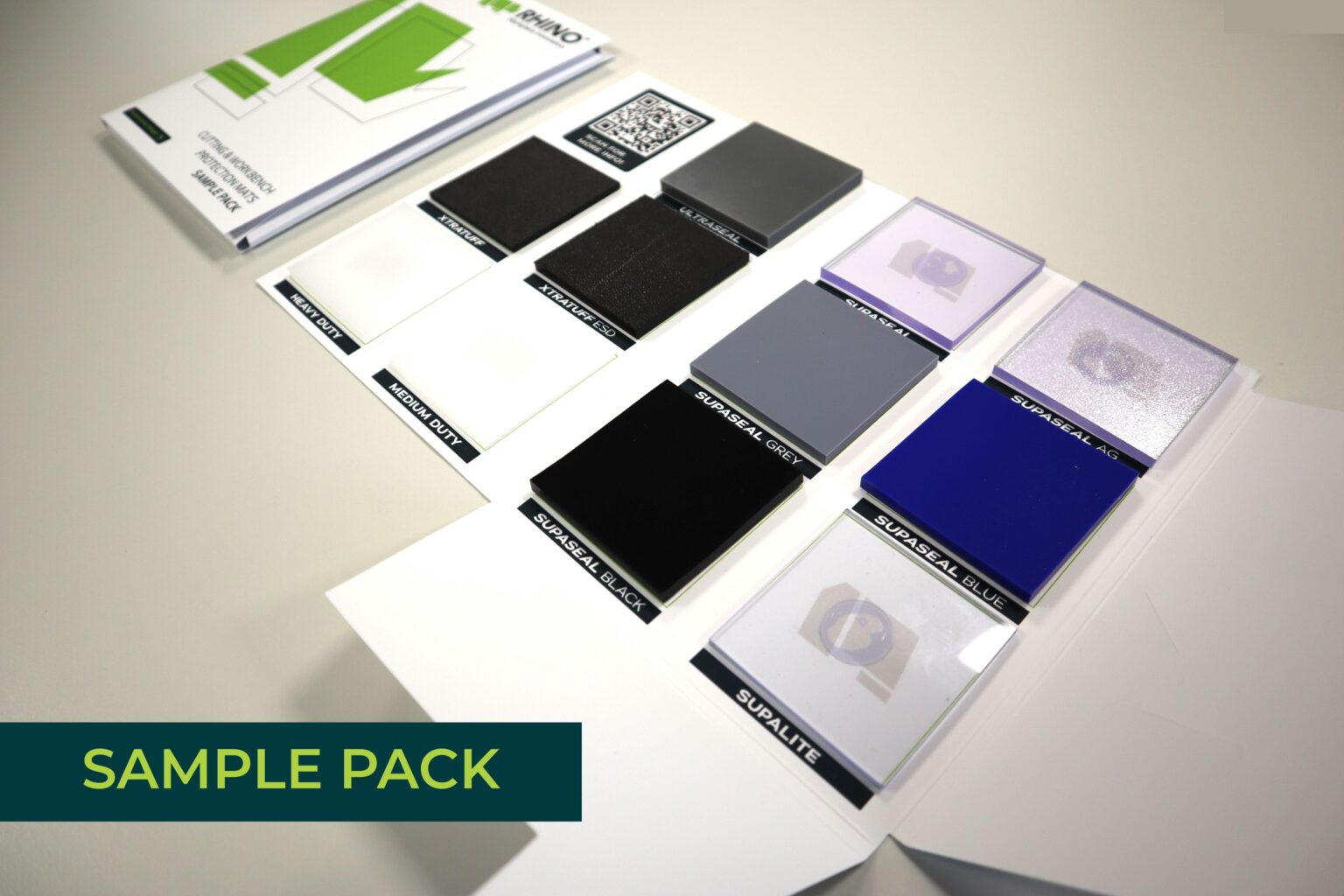
Sustainable maintenance is equally important to Rhino’s mission of creating smarter, safer and cleaner workstations. Every mat that lasts longer helps reduce waste and supports a more responsible manufacturing cycle. For tailored advice or to explore Rhino’s range of self-healing cutting mats and workbench protection mats, visit our product pages or request a free sample. Join our sustainability journey and discover how the right cutting mat care can join our sustainability journey and discover how the right cutting mat care can ensure the delivery of lasting value and professional-grade performance.