

Anti-static (ESD) mats protect sensitive components from electrostatic discharge by creating a grounded surface that removes static electricity. This protects precision defence electronics, like microprocessors, semiconductors, avionics systems from damage during the manufacturing process.
By controlling static at the workstation level, ESD mats help prevent component failure, reduce production defects and support compliance with strict defence manufacturing standards. In environments where even a small discharge can cause system failure, they are an important part of static control processes used across production and assembly areas.
What are Anti-Static Mats for Electronics and How Do They Work?
Anti-static mats for electronics are specially engineered surface protection solutions designed to control and dissipate electrostatic charge safely. These mats are commonly used on workbenches in sensitive manufacturing environments where static buildup can damage electronic components.
ESD workbench mats function by creating a grounded conductive surface. When static electricity builds up on a technician or component, the charge is safely transferred through the mat and into the grounding system instead of directly discharging into sensitive electronics.
Key working principles include:
- Controlled conductivity across the surface
- Safe dissipation of electrical charge
- Prevention of sudden static discharge events
- Stable protection during assembly and testing processes
Static control surfaces like these are essential in defence electronics manufacturing for maintaining consistent production quality and protecting high value components throughout the assembly process.
The Risk of Electrostatic Discharge in Defence Electronics Manufacturing
Electrostatic discharge is one of the most common yet invisible threats in electronics production environments. In defence electronics manufacturing, the risk is significantly higher due to the sensitivity of the systems involved.
Even a small discharge can:
- Damage microprocessors and integrated circuits
- Create hidden latent defects that fail later in the field
- Disrupt calibration of avionics and communication systems
- Reduce overall reliability of defence equipment
Anti-static mats, specifically designed for protecting electronics, help reduce these risks by ensuring that static electricity is continuously controlled at the workstation level. Without proper static control surfaces, production environments become unpredictable and vulnerable to component failure.
Research from the ESD Association shows that electrostatic discharge is a key risk in electronics manufacturing because it can cause both immediate damage and hidden failures that appear later. This risk is especially critical in defence electronics manufacturing, where reliability is essential.
Why Anti-Static Mats for Electronics are Critical in Defence Manufacturing
Anti-static mats for electronics are vital in defence manufacturing because they form the foundation of a controlled static safe environment. Defence systems demand extremely high reliability, and even microscopic damage can lead to mission failure.
Key reasons include:
- Defence electronics require zero defect tolerance environments
- Sensitive components react instantly to uncontrolled discharge
- Production processes involve repeated handling of micro components
- Quality assurance standards demand consistent static protection
ESD workbench mats provide continuous protection during assembly, inspection, and testing stages. They ensure that every workstation remains within controlled static limits, reducing risk across the entire manufacturing workflow.
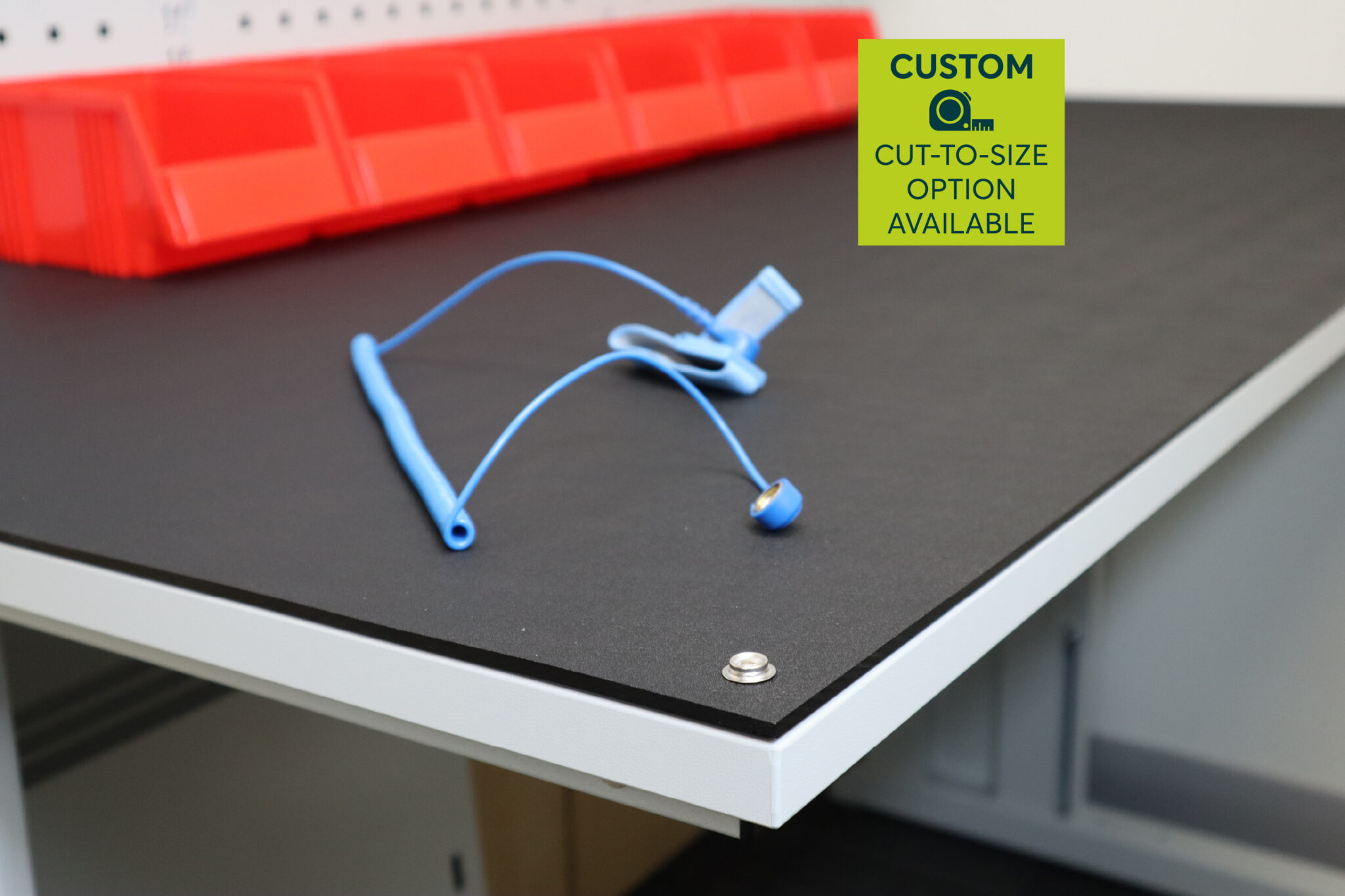
How ESD Workbench Mats Protect Sensitive Defence Electronics
ESD workbench mats protect sensitive defence electronics by creating a stable and controlled grounding layer at the point of contact. This ensures that any static charge generated during handling is safely neutralised.
Protection mechanisms include:
- Continuous grounding of work surfaces
- Safe dissipation of charge from tools and components
- Reduction of voltage spikes during assembly
- Stable environment for handling sensitive circuits
In defence electronics manufacturing, anti-static mats for electronics are especially important during PCB assembly, soldering, diagnostics and calibration. These processes involve direct contact with highly sensitive systems where even minimal static exposure can cause irreversible damage.
ESD Mats vs Other Static Control Measures
Static control in electronics manufacturing uses multiple methods to reduce electrostatic discharge risks. Anti-static mats for electronics provide direct protection at the workstation where sensitive components are handled, making them a key part of static control surfaces.
Method | Purpose | Limitation |
Wrist straps | Grounds operator | Only works when worn correctly |
Ionisers | Neutralises airborne charge | Needs power and maintenance |
ESD flooring | Controls environment | No direct workstation protection |
ESD workbench mats | Protects work surface | Must be properly grounded |
ESD workbench mats are the most direct solution because they protect components at the exact point of contact.
They provide:
- Continuous workstation protection
- Direct grounding for tools and components
- Stable control during assembly work
Compliance Standards for Anti-Static Mats in Electronics Manufacturing
Anti-static mats for electronics must meet strict international compliance standards in controlled manufacturing environments to ensure safe and consistent static control performance. In defence electronics manufacturing, compliance is critical for quality assurance, regulatory approval and meeting industry audit requirements.
Key requirements include controlled resistance levels for safe charge dissipation, consistent grounding performance across the surface, compatibility with ESD protected areas and long term durability under industrial use.
ESD workbench mats help meet these standards by maintaining stable static control surfaces throughout production, reducing the risk of non compliance and product rejection during audits.
Choosing the Right ESD Mat for Defence Applications
Selecting the right anti-static mats for electronics depends on the specific requirements of the defence manufacturing environment.
Important factors include:
- Material composition and conductivity level
- Thickness and durability for heavy use environments
- Heat resistance for soldering and assembly work
- Size compatibility with existing workbenches
- Long term resistance stability under continuous use
ESD workbench mats used in defence applications must provide consistent performance even under high intensity production conditions.
Choosing the correct static control surfaces ensures long term reliability and reduces risk of equipment failure across manufacturing operations.
Final Thoughts
Anti-static mats designed for defence electronics manufacturing protect highly sensitive systems from electrostatic discharge and ensure stable production environments across all stages of assembly and testing.
By integrating ESD workbench mats into controlled production areas, manufacturers significantly reduce risk, improve product quality while maintaining strict industry compliance standards.