Why Cutting Mats and Workplace Protection Matter in Precision Manufacturing: A 5S Lean Perspective
In precision manufacturing, consistency is everything. Whether working with intricate components, specialist materials, or tightly controlled tolerances, even small inefficiencies can have a measurable impact on quality, safety, and productivity.
Lean manufacturing principles — particularly the 5S methodology — are widely adopted to improve workplace organisation, reduce waste, and create repeatable processes. Yet one often overlooked contributor to an efficient Lean workspace is the role of cutting mats and workplace protection systems.
At Rhino Cutting Mats, we understand that the right surface protection is more than a practical accessory — it can actively support Lean manufacturing goals and contribute to safer, more productive operations.
What Is 5S Lean Methodology?
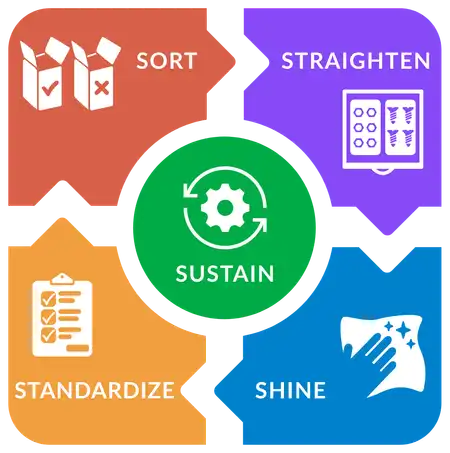
Originating from the Japanese manufacturing sector, 5S is a workplace organisation system designed to improve efficiency and standardisation. The five principles are:
- Sort (Seiri) – Remove unnecessary items
- Set in Order (Seiton) – Organise tools and materials for easy access
- Shine (Seiso) – Keep the workplace clean and inspect regularly
- Standardise (Seiketsu) – Establish consistent processes
- Sustain (Shitsuke) – Maintain and improve standards over time
For precision manufacturing businesses, these principles help reduce downtime, improve workflow, minimise defects, and support operational excellence.
The Hidden Role of Cutting Mats in Lean Manufacturing
When organisations think about Lean improvements, attention often focuses on machinery, automation, or workflow redesign. However, the condition and organisation of the work surface itself can significantly affect productivity and quality outcomes. Protective cutting mats and workstation surface protection can directly support several elements of 5S.
1. Supporting “Set in Order” Through Defined Workspaces
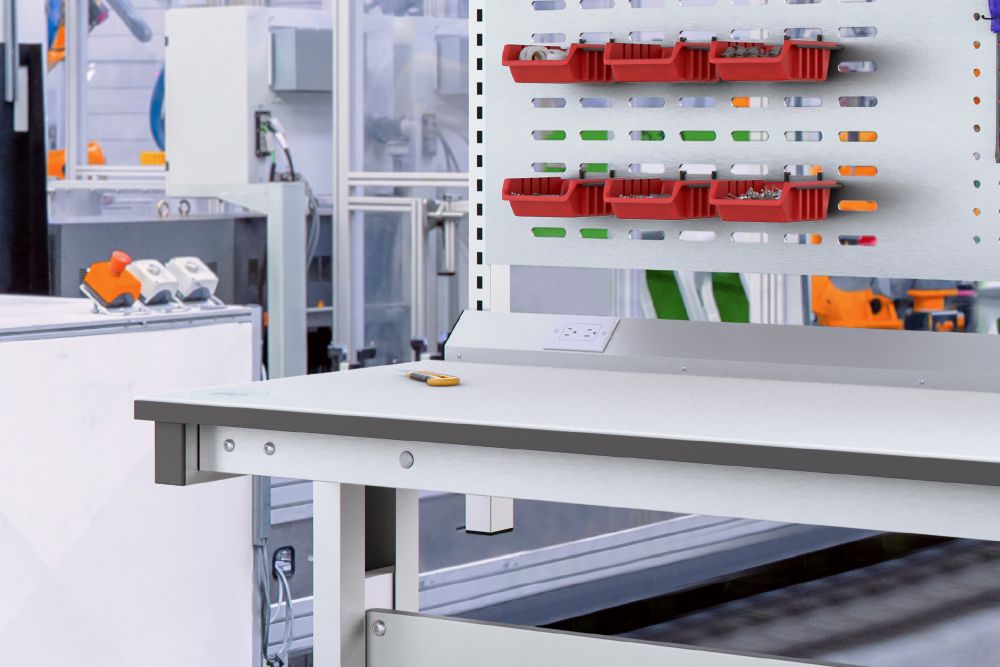
A well-organised workstation reduces wasted motion and improves repeatability.
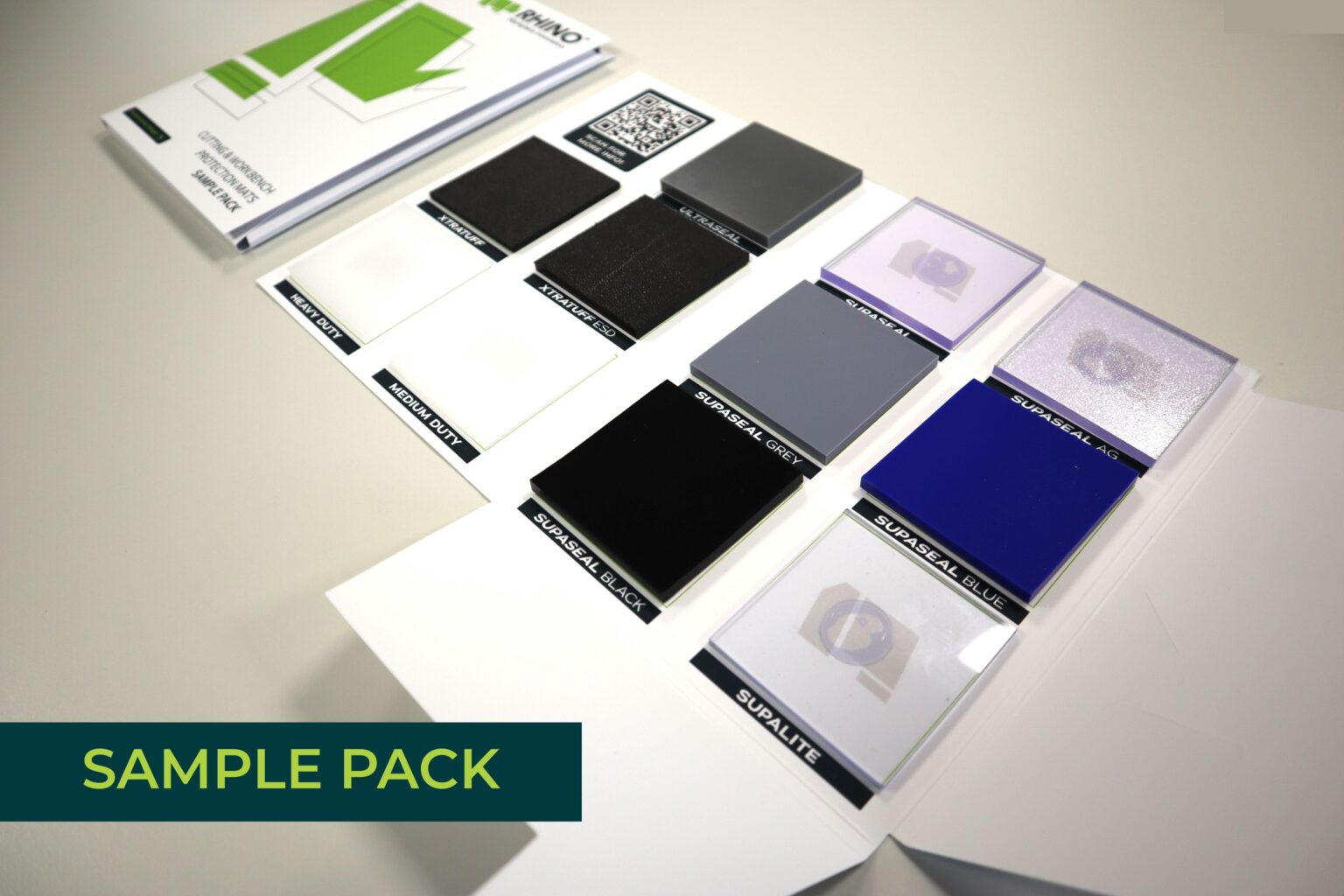
Self-healing cutting mats provide clearly defined working zones for cutting, trimming, assembly, and inspection tasks. Grid markings and measurement guides can improve layout consistency while helping operators maintain accuracy without repeatedly reaching for measuring tools.
In precision environments where repeatability matters, organised surfaces help teams work more efficiently and reduce unnecessary movement — a key Lean objective.
Benefits include:
- Improved workstation consistency
- Faster material positioning and alignment
- Reduced operator fatigue from repeated adjustments
- More predictable workflows
When every process is measured in seconds and tolerances matter, an organised work surface supports better outcomes.
2. Enabling “Shine” Through Cleaner, Safer Workstations
Workplace protection mats help preserve benches and worktops from:
- Blade damage
- Surface wear
- Chemical marks
- Adhesive residue
- Abrasion from repeated production tasks
Damaged benches can create uneven working conditions that compromise precision work or contaminate sensitive materials.
By protecting surfaces, cutting mats make cleaning easier and contribute to tidier workstations that are quicker to inspect and maintain. Cleaner environments also reduce contamination risks in sectors where precision and quality control are paramount.
3. Reducing Waste Through Longer Tool and Surface Life
One of the core goals of Lean manufacturing is waste reduction.
Using quality cutting mats can reduce several forms of waste:
Reduced Tool Wear
Self-healing cutting mats help protect cutting blades from premature dulling. A blade cutting directly onto a hard bench surface typically degrades more quickly, leading to:
- More blade replacements
- Increased consumable costs
- Reduced cutting accuracy
Maintaining sharper tools for longer improves cut quality and reduces interruptions to production.
Reduced Bench Replacement Costs
Protective mats preserve expensive workstations and specialist benches from repeated damage. Rather than repairing or replacing surfaces regularly, businesses can extend infrastructure lifespan with relatively simple protective measures.
This aligns closely with Lean thinking: preserving assets and eliminating unnecessary expenditure.
4. Supporting “Standardise” for Repeatable Quality
Consistency is essential in precision manufacturing.
A standardised workstation setup allows employees to replicate processes with fewer variables. When each operator uses identical protected work surfaces with consistent layouts, production becomes more repeatable.
Cutting mats with measurement grids or designated working zones help standardise:
- Material positioning
- Cutting alignment
- Component preparation
- Inspection processes
Reducing variation contributes to better quality assurance and fewer defects — key outcomes for Lean operations.
5. Enhancing Workplace Safety and Ergonomics
Although safety is not one of the formal “5S” pillars, it is deeply embedded within Lean culture.
Workplace protection mats can contribute to safer environments by:
- Creating stable cutting surfaces
- Reducing accidental slips during precision work
- Protecting operators from damaged or splintered worktops
- Improving visual organisation of work areas
A safer, more organised environment supports employee confidence and productivity while helping minimise avoidable incidents.
Why Precision Manufacturers Should Rethink Surface Protection
In high-precision industries, success often depends on controlling variables.
Businesses invest heavily in machinery calibration, quality assurance systems, and operator training — yet workstation surfaces are frequently overlooked despite being in constant daily use.
The right cutting and workplace protection mats can help organisations:
✓ Improve workstation organisation
✓ Protect tools and work surfaces
✓ Reduce waste and consumable costs
✓ Support consistent output quality
✓ Reinforce 5S Lean standards
Small operational improvements often compound into meaningful gains over time.
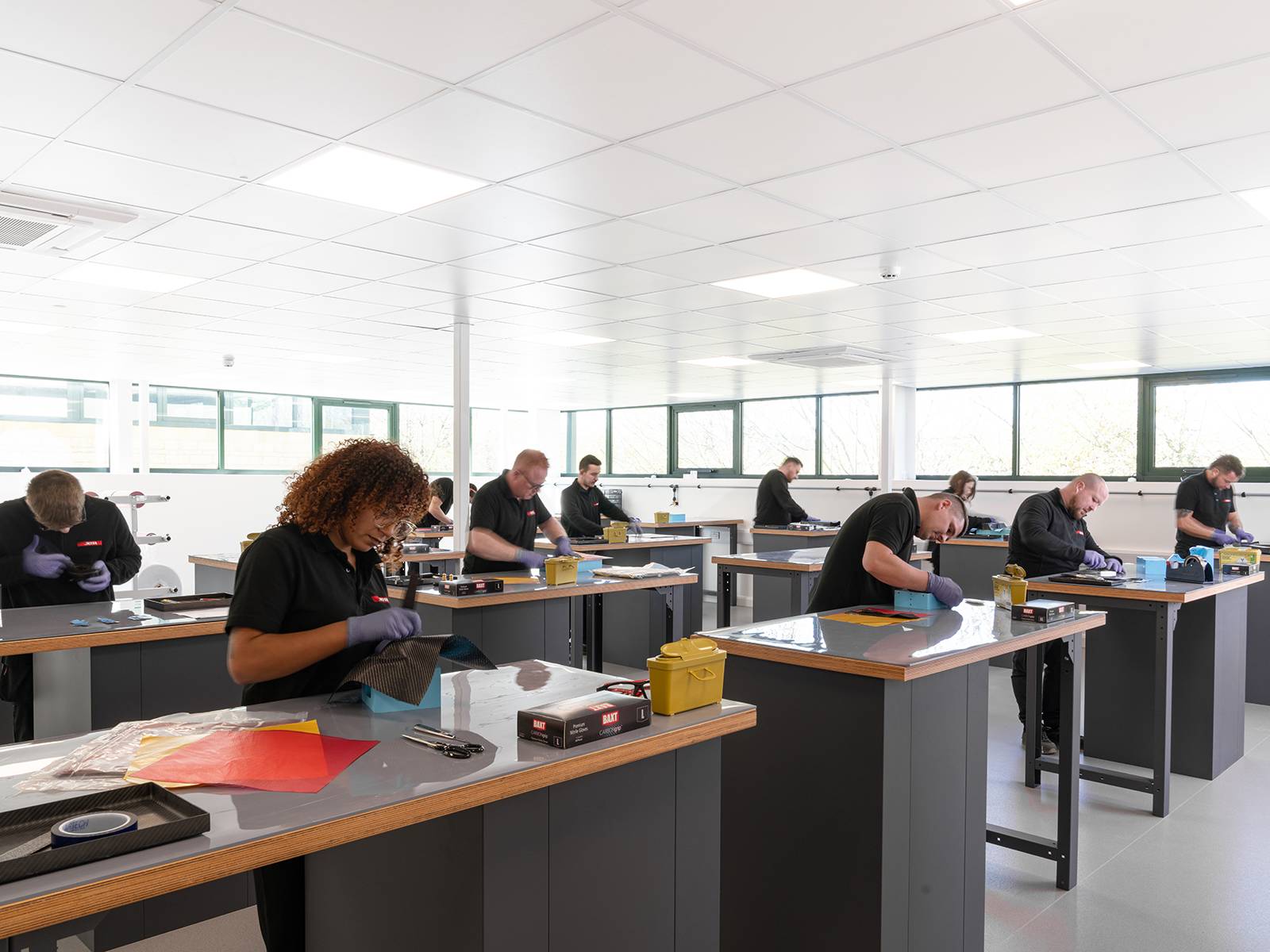
Rhino Cutting Mats: Built for Demanding Work Environments
At Rhino Cutting Mats, we supply durable cutting and workplace protection solutions designed for demanding industrial and manufacturing applications.
Whether supporting precision cutting, assembly, fabrication, or specialist production environments, the right protective surface can play a valuable role in maintaining efficient, organised, Lean-focused workspaces.
To learn more about our range of industrial cutting mats and workplace protection solutions, visit our dedicated Cutting & Workbench Mats Page