
What Is a Multi-Layer Self-Healing Cutting Mat?
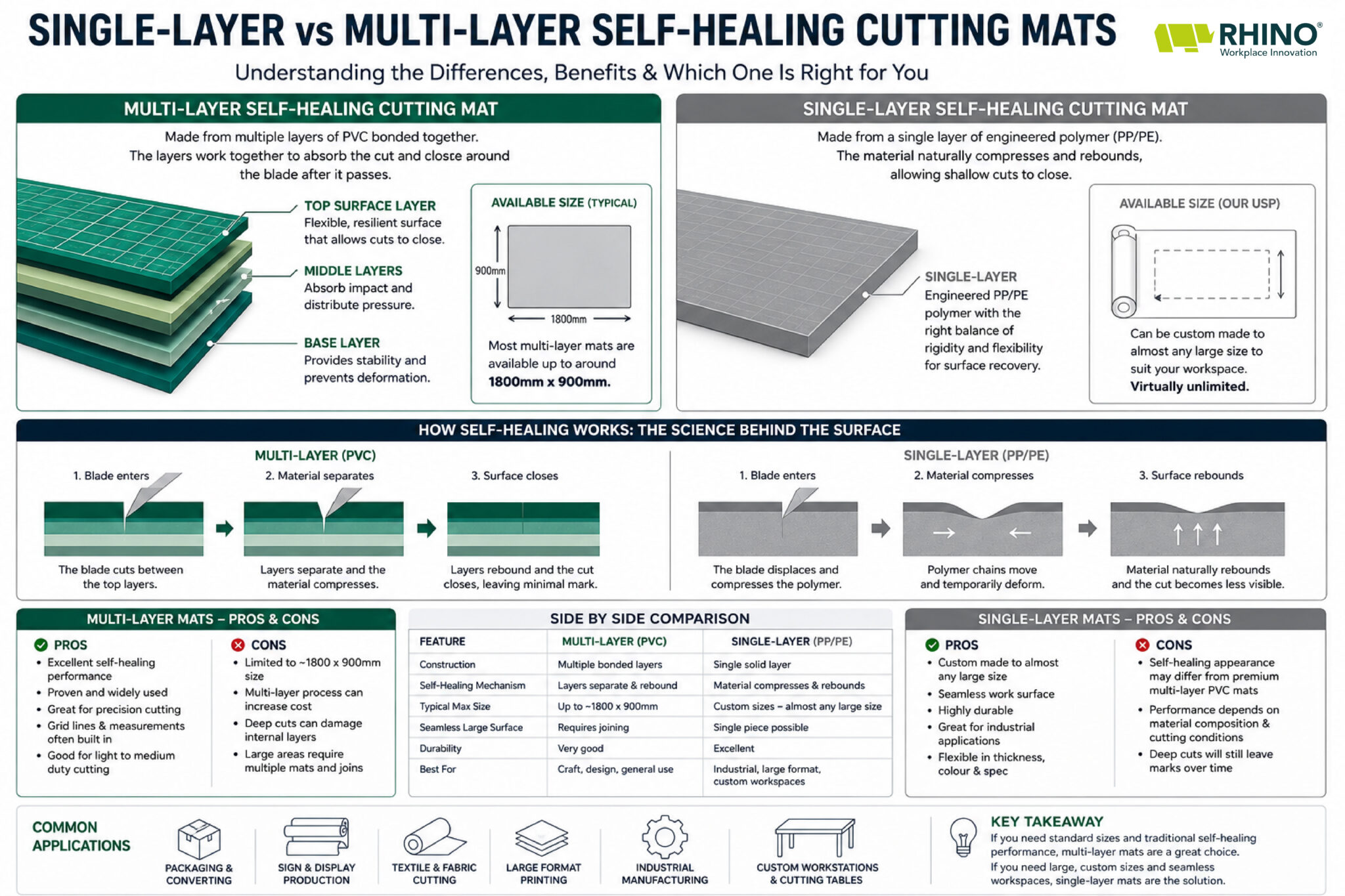
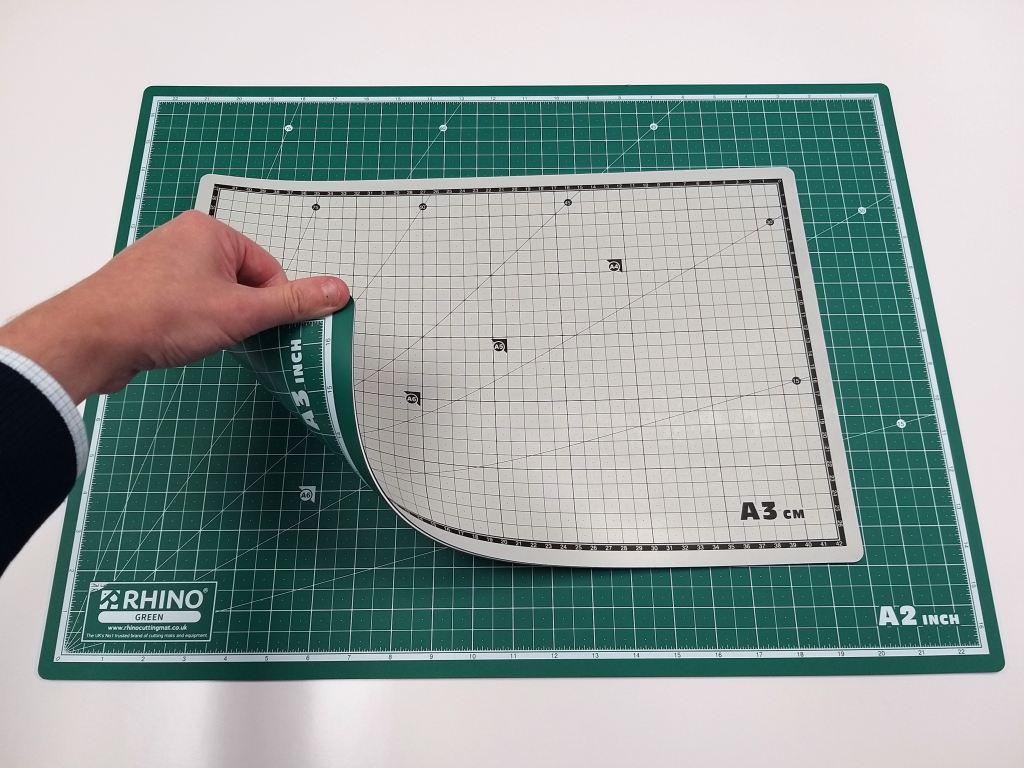
Traditional self-healing cutting mats are typically manufactured from several layers of PVC bonded together. The outer layers are engineered to be flexible and resilient, allowing the material to close around shallow blade marks after cutting.
When a knife passes through the surface, the material temporarily separates rather than permanently tearing. Once the blade is removed, the layers rebound and the cut closes, reducing visible scoring and helping to maintain a smooth working surface.
Advantages of Multi-Layer Mats
- Excellent self-healing performance for repeated precision cutting.
- Widely used and proven in craft, design, and professional cutting environments.
- Grid markings and measurement guides are often incorporated into the surface.
- Good durability under frequent light-to-medium duty cutting.
Limitations of Multi-Layer Mats
- Limited maximum sheet sizes due to the manufacturing process.
- Bonded-layer construction can increase production complexity and cost.
- Deep cuts can eventually damage the internal layers and create permanent grooves and even breakaway of the layers giving slivers of the mats to come away. This is particularly a problem with precision manufacturing such as with carbon composites.
- Large work areas often require multiple mats joined together.
For many manufacturers, one of the biggest challenges is size. Most multi-layer cutting mats are typically available only up to approximately 1800mm x 900mm, making them less suitable for oversized workstations, cutting tables, or industrial production environments.
What Is a Single-Layer Self-Healing Cutting Mat?
The Role of Single Layer Mats
The performance of a single-layer mat comes from the balance between two complementary materials.
Single Layer Durable Mats provides:
- Rigidity and dimensional stability
- Excellent wear resistance
- A firm and consistent cutting surface
- Flexibility and impact resistance
- Improved resilience and durability
- Less likely to get breakaway or slivers of the mat coming away when worn than a multi-layer mat, making it more suited to precision manufacturing such as composites.
- Generally manufactured in larger sheets or rolls
Together, these materials create a cutting mat that is both stable and capable of recovering from everyday cutting activity.
Advantages of Single-Layer Mats
Virtually Unlimited Size Options
Perhaps the greatest advantage of single-layer construction is flexibility in manufacturing size.
Unlike traditional multi-layer mats, which are generally restricted to around 1800mm x 900mm, single-layer Polymer mats can be manufactured in significantly larger dimensions and customised to suit specific workstations, cutting benches, or production lines.
This makes them ideal for:
- Industrial cutting tables
- Packaging and conversion operations
- Sign and display production
- Textile and fabric cutting
- Large-format printing environments
- Custom manufacturing workstations
Seamless Large Work Areas
Because larger formats can be produced, users can often cover an entire work surface with a single mat rather than piecing together multiple smaller mats. This eliminates joins, improves workflow, and creates a cleaner, more professional working environment.
Durability and Longevity
Single-layer mats are highly resistant to wear and can withstand repeated cutting activity while maintaining a smooth working surface.
Customisation Opportunities
Single-layer manufacturing allows greater flexibility in:
- Size
- Thickness
- Colour
- Application-specific requirements
Limitations of Single-Layer Mats
As with any material, there are trade-offs.
- The visual “self-healing” effect may differ from premium multi-layer PVC mats.
- Surface recovery performance depends on material composition and cutting conditions.
- Deep cuts will still create permanent marks over time.
- Users accustomed to traditional craft mats may notice a different cutting feel.
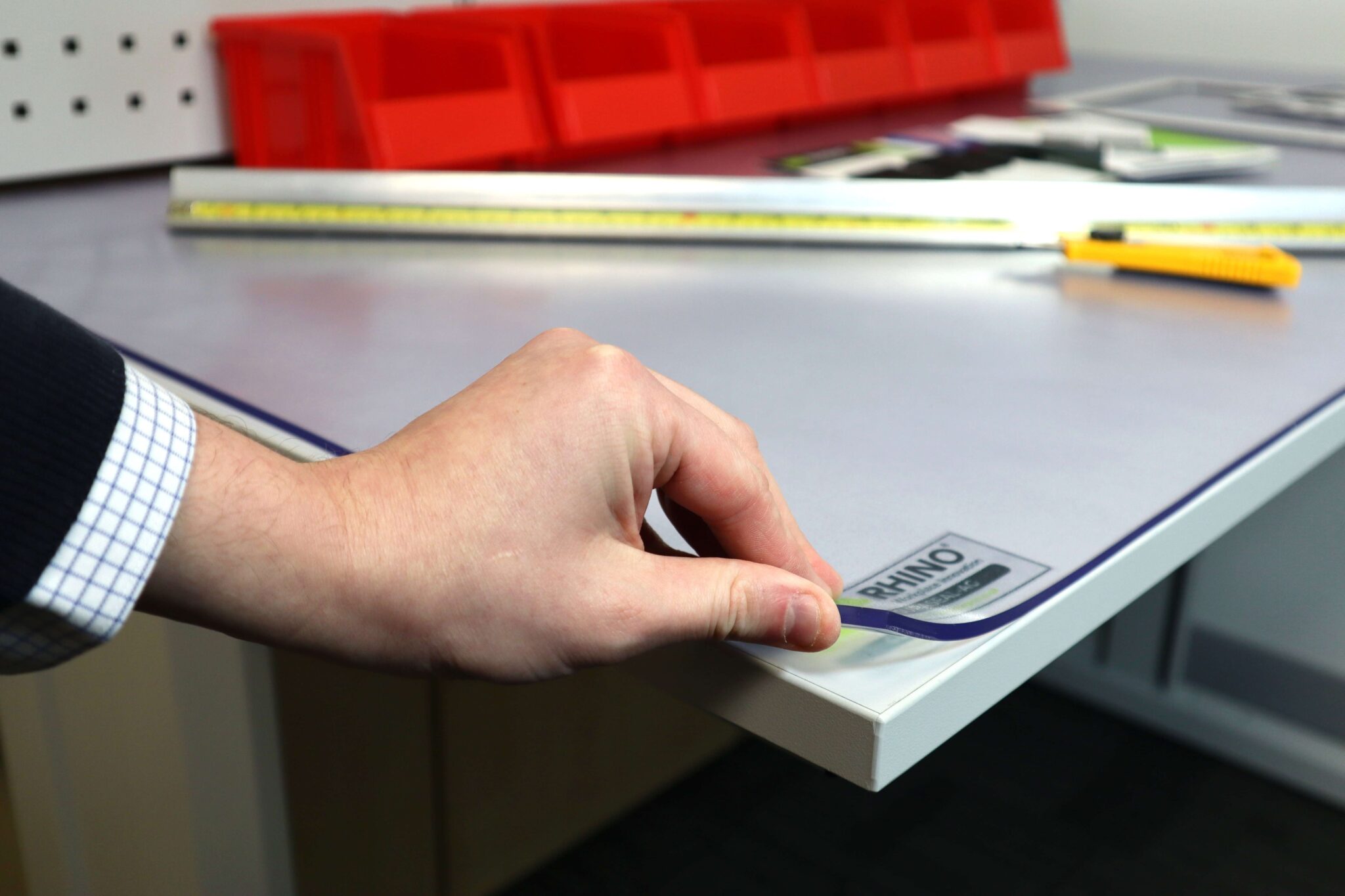
Which is the Best Cutting Mat?
The answer depends on the application.
For hobby, craft, design, and smaller-scale cutting tasks, a traditional multi-layer self-healing mat remains an excellent choice and continues to be the industry standard.
However, for businesses requiring larger work surfaces, customised dimensions, industrial durability, or seamless cutting areas, single-layer Advanced Polymer cutting mats offer significant advantages that traditional multi-layer products simply cannot match.
The Bottom Line
Both multi-layer and single-layer cutting mats provide effective surface protection and cutting performance. The key difference lies in how they achieve their self-healing properties and the flexibility they offer in real-world applications.
While multi-layer mats are well suited to standard-sized workstations, single-layer Polymer mats open the door to truly customised solutions. With the ability to manufacture mats in much larger dimensions than conventional products, they provide an ideal solution for businesses that need more than the standard 1800mm x 900mm format.
For organisations looking to maximise workspace efficiency, reduce seams, and create custom-sized cutting surfaces, single-layer cutting mats offer a practical and highly versatile alternative.