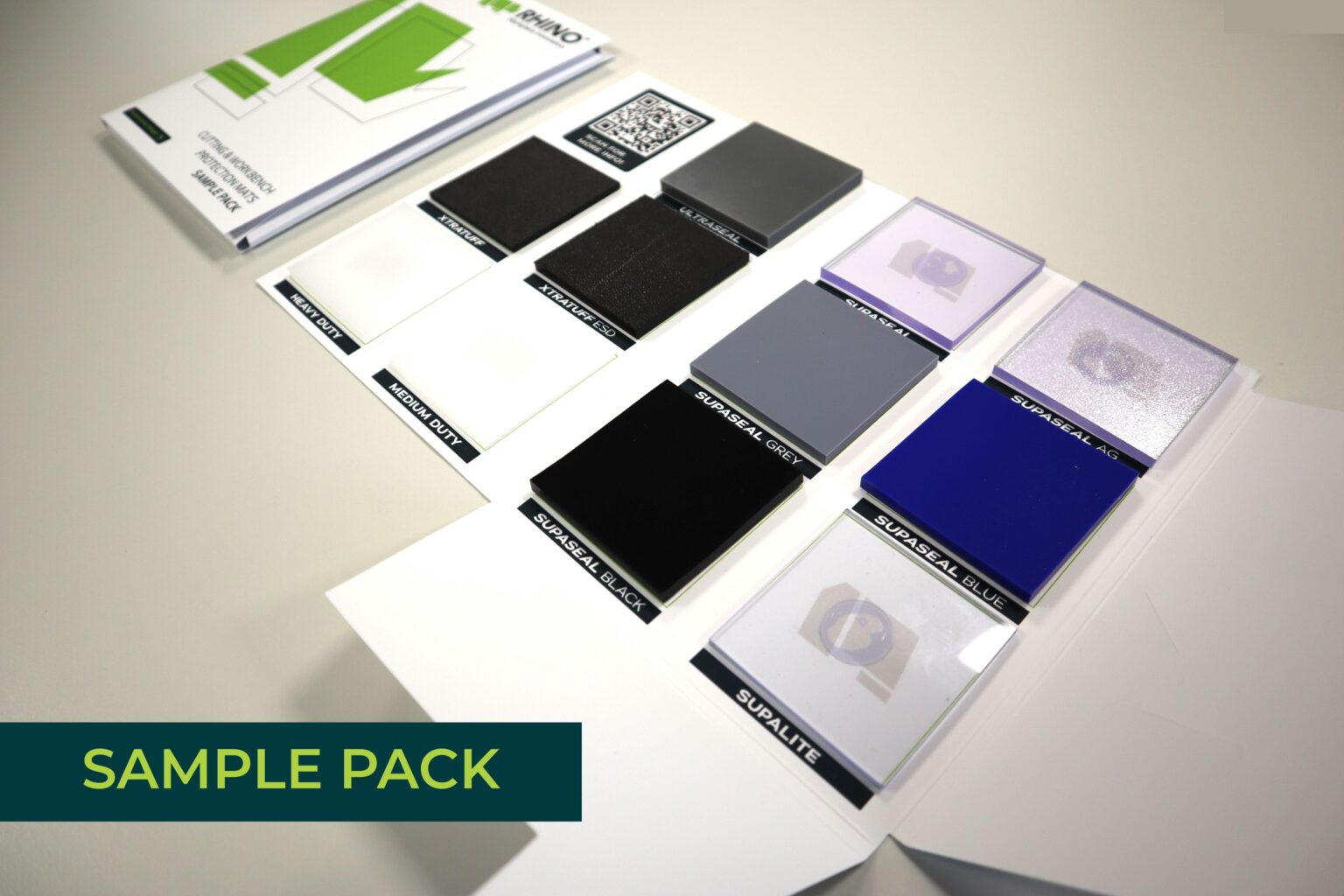

In fast‑moving warehouses and logistics centres, speed and throughput are critical. Yet these environments also present significant risks when employees frequently use knives and cutting tools at packing benches and dispatch stations. Reports show that warehouse cutting injuries are among the most common causes of lost time and reduced productivity in busy fulfilment operations.
For logistics and warehouse leaders, protecting your workforce while maintaining throughput is not optional. It is essential to adopt practical strategies that minimise risk, enhance safety and support sustained performance. This article explains why knife injuries occur, outlines proven safety practices and shows how Rhino’s heavy‑duty, high‑visibility mats play a crucial role in reducing knife injuries in warehouses.
Understanding Knife Injury Risks in Packing and Dispatch Areas
Packing and dispatch areas are high‑risk zones because they combine speed, repetitive motion and frequent use of sharp cutting tools. Workers regularly open cartons, trim packaging and cut strapping materials while under time pressure. That constant use is a key factor in warehouse cutting injuries.
Knife injuries in warehouses often occur when a blade slips, when the cutting surface is unstable, or when operators lack sufficient workspace support. In busy logistics environments, cluttered surfaces and poorly designed workstations further increase the chance of mistakes. Understanding these risks is the first step towards creating more robust packing bench safety practices and stronger injury prevention strategies.
Key Causes of Cutting Accidents in Warehouse Workflows
To effectively reduce knife injuries in warehouses, it is important to understand the common causes that lead to accidents:
- Unstable cutting surfaces: When benches lack controlled work surfaces, blades can slip or catch unexpectedly.
- Poor posture and fatigue: Repetitive cutting without ergonomic support contributes to strain and errors.
- Dull or inappropriate blades: Dull knives require extra force and are more likely to cause slips.
- Inadequate workspace organisation: High‑traffic areas and cluttered benches distract operators and increase hazards.
These factors combine to create environments where reducing knife injuries in warehouses must be a priority. Addressing the physical workspace as well as behavioural practices helps lower the risk of cuts and lacerations.
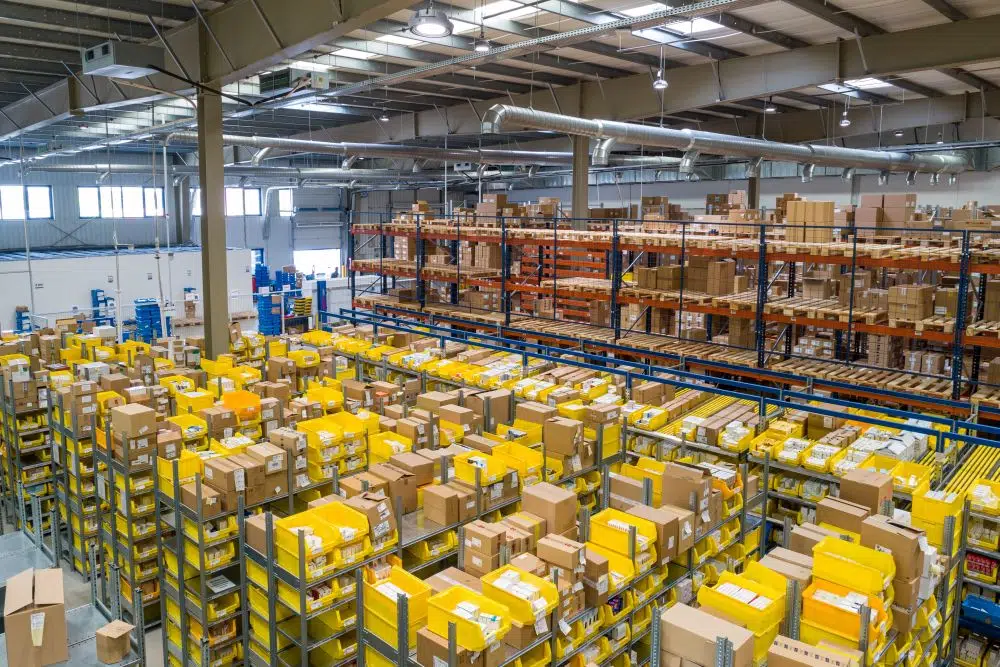
Best Practices for Packing Bench Safety
Maintaining safe packing benches is essential for protecting employees while supporting speed and efficiency in busy warehouse environments. Proper workstation practices reduce the risk of accidents and help achieve consistent operational performance.
Use Purpose-Built Cutting Tools
Select knives designed for frequent use with built-in safety features and precise blade control. These tools reduce the likelihood of slips and improve handling during high-volume cutting tasks. For example, using a precision tool like the OLFA Touch Knife can provide better control and safety when handling detailed cutting work in busy warehouse environments.
Maintain Sharp Blades
Regularly inspect and replace dull blades. Sharp knives require less force, decrease operator strain and lower the risk of uncontrolled cuts that lead to warehouse cutting injuries.
Provide Protective Equipment
Equip staff with cut-resistant gloves and eye protection. Personal protective equipment minimises the severity of injuries if accidental contact occurs, reinforcing a safer workspace.
Organise the Workstation
Keep all tools, packaging materials and waste management areas tidy and within reach. A well-organised packing bench reduces distractions, prevents clutter-related accidents and improves workflow efficiency.
Focusing on these packing bench safety practices helps reduce knife injuries in warehouses and creates a controlled, high-performance workspace where operators can work confidently.
Cutting Mats and Their Role in Reducing Knife Injuries
One often overlooked but highly effective tool for improving packing bench safety is the strategic use of cutting mats for warehouses. These mats create controlled work surfaces that help to reduce operator error and blade slippage.
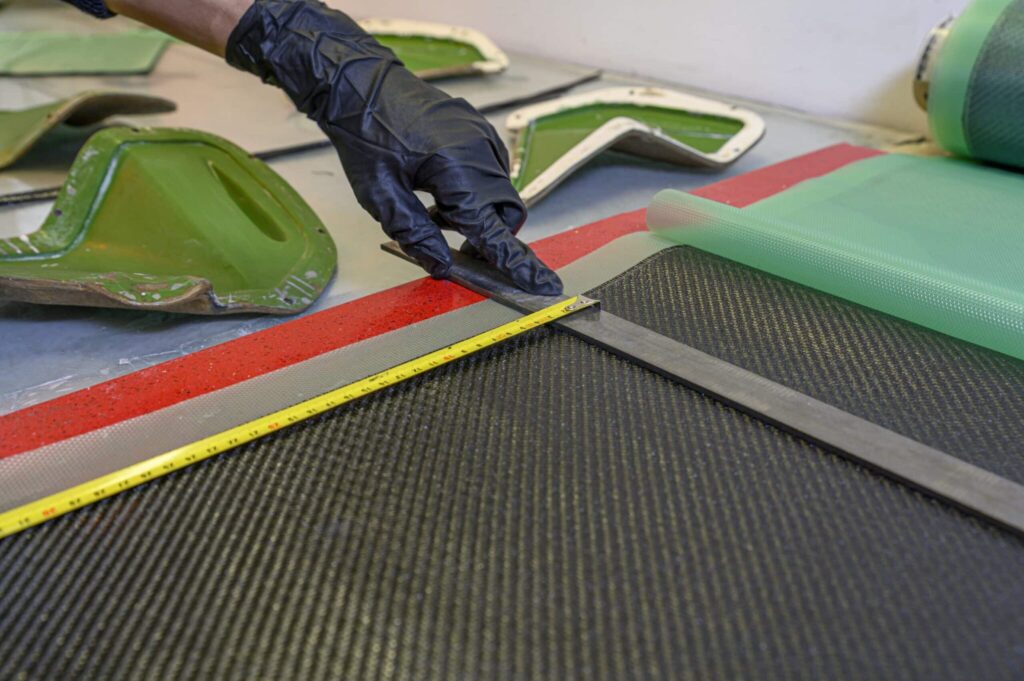
High‑visibility mats not only protect the bench surface, they clearly define the cutting zone, making it easier for workers to position materials safely. Durable mats also absorb impact from repetitive blade contact and stay flat, preventing accidental blade deflection. When work surfaces are predictable and secure, operators can cut with confidence.
Key benefits of cutting mats include:
- Protection of sensitive work surfaces and reducing accidental damage.
- Improving blade stability, which reduces uncontrolled cuts.
- Creating a visual and physical boundary for safe cutting action.
- Reducing the risk of slips and enhancing operator awareness at busy packing benches.
Integrating cutting mats for warehouses into daily workflows is a practical step that delivers both immediate safety gains and longer‑term productivity benefits.
Engineering Safer Packing & Dispatch Areas
The physical design of packing and dispatch areas influences both safety and efficiency. Warehouses that prioritise ergonomic and protected workstations see fewer accidents and improved operator satisfaction.
Consider these engineering improvements:
- Allocate dedicated cutting zones: Segregate cutting tasks from high‑traffic paths to reduce interference and distractions.
- Install stable work surfaces: Heavy‑duty workbenches equipped with controlled, flat matting prevent unexpected material movement during cutting.
- Use anti‑fatigue flooring around benches: Reducing physical strain supports better focus and fewer errors during prolonged shifts.
- Provide optimal lighting: Well‑lit areas reduce misjudgment and help operators see cutting lines clearly.
These design choices enhance packing bench safety and support broader organisational goals for throughput and injury reduction.
Training and Behavioural Strategies for Injury Reduction
Engineering and equipment are critical, but human behaviour remains at the core of workplace safety. Training is essential for embedding safe habits and reinforcing organisational standards.
Effective behavioural strategies include:
Knife safety training: Teach correct cutting angles, hand positions and safe methods for opening packaging.
Promote awareness: Encourage operators to report risks and near misses without fear of blame.
Regular refreshers: Conduct routine safety sessions to maintain sharp awareness among all team members.
Clear signage at cutting stations: Use visual cues to remind workers of best practices and cutting boundaries.
When employees understand the risks and the reasons behind safety procedures, adherence improves and knife injuries decline.
How Rhino’s Heavy‑Duty, High‑Visibility Mats Support Injury Prevention
Rhino’s heavy‑duty, high‑visibility mats are engineered for busy warehouse environments, providing a controlled work surface that helps reduce knife injuries in warehouses. Their durable, self-healing material maintains flatness even under frequent blade contact, while bright, high-visibility colours clearly define cutting zones, improving operator awareness and minimising miscuts.
By protecting both materials and work surfaces, these mats reduce tool wear and accidental contact, supporting safer, more efficient packing and dispatch operations. Integrating Rhino cutting mats into workstation layouts enhances packing bench safety and helps logistics teams maintain speed, precision and a safer workflow in high-volume environments.
Final Words
Reducing knife injuries in packing and dispatch areas is not just about protecting employees, it is about building resilient and efficient workflows. By addressing workstation design, cutting tool practices, behavioural training and integrating robust cutting mats for warehouses, organisations can significantly lower the incidence of warehouse cutting injuries.
Safe packing bench safety practices and engineered work surfaces reinforce organisational goals for speed, safety and repeatable performance. Investing in the right equipment and training not only protects your people, it boosts operational efficiency and supports a culture of continuous improvement across your logistics environment.